40px


Guangdong Dayang Medical Technology Co.,Ltd
Phone
86-13923251404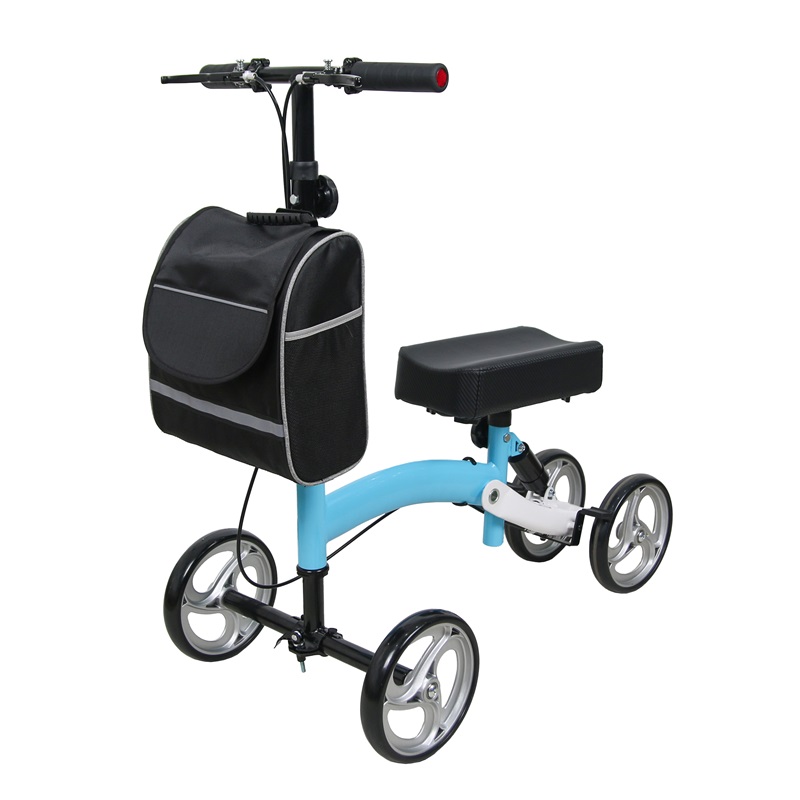
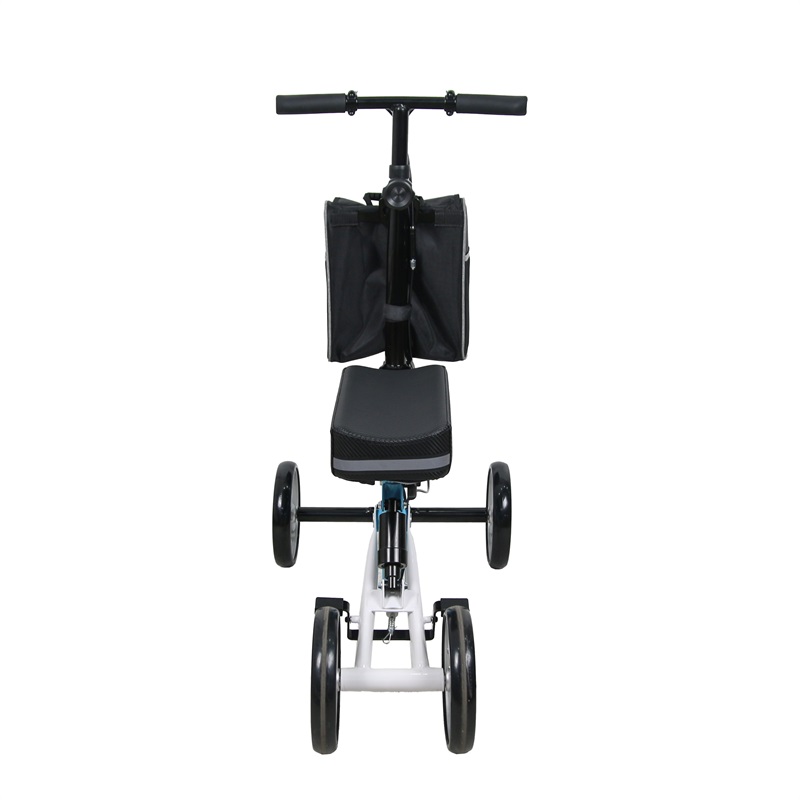
When a foot or ankle injury limits your mobility, traditional crutches often cause underarm pain, hand fatigue, and balance issues. That is why more patients are choosing a modern alternative: the knee walker. Designed for comfort and stability, a knee walker lets you remain active while your injury heals properly. Whether you need support after a broken ankle, foot surgery, or severe sprain, a quality knee walker transforms recovery from frustrating to manageable.
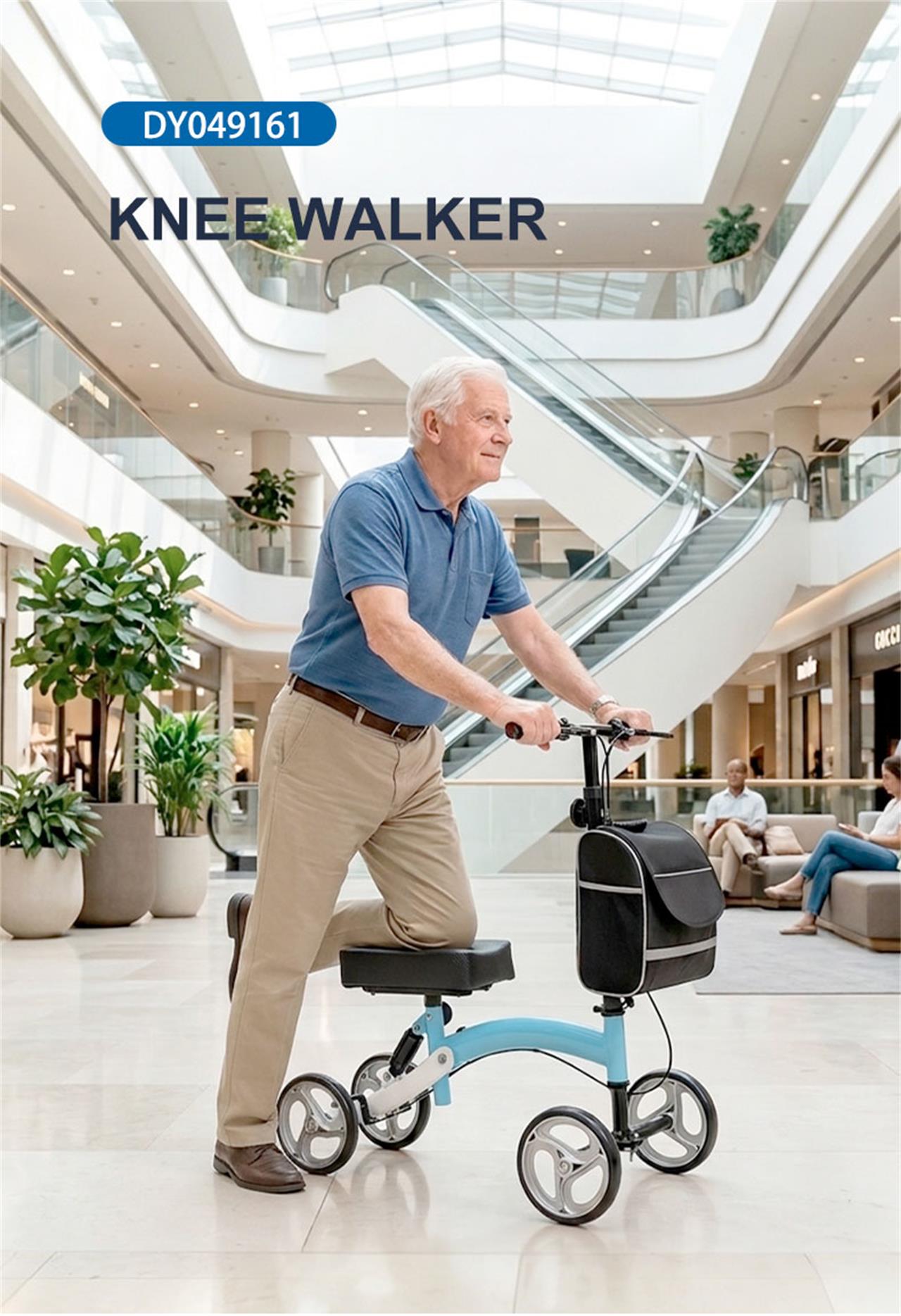
What Makes a Good Knee Walker?
A premium knee walker features a padded platform that supports your injured leg, keeping weight off your foot. This design reduces swelling and promotes faster healing. Unlike standard walkers that require upper body strength, a knee walker lets you glide forward using your healthy leg. For patients recovering from Achilles repair or bunion surgery, a knee walker often outperforms crutches and traditional walkers.
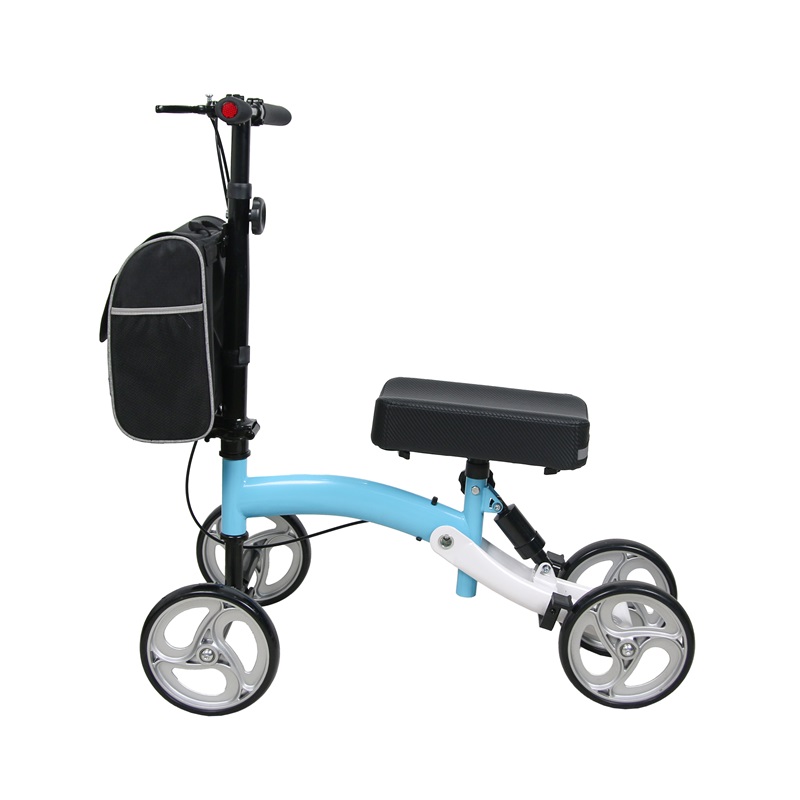
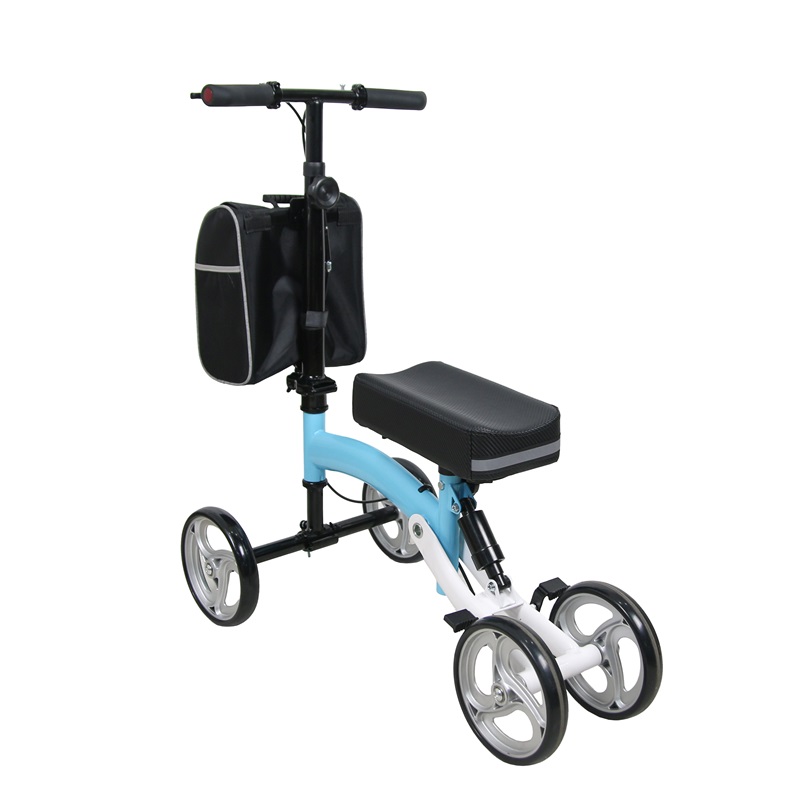
Our knee walker offers adjustable height, soft knee padding, and 8-inch PVC wheels that handle indoor floors and outdoor pavements with ease. When you choose this knee walker, you choose freedom and safety.
Knee Walkers for Different Needs
Many people search for knee walkers after realizing crutches are impractical. Carrying coffee, opening doors, or picking up a child is nearly impossible with both hands occupied. Knee walkers solve this by providing a rolling base with handlebars, leaving your hands free. That is why knee walkers have become essential for post-operative foot and ankle care.
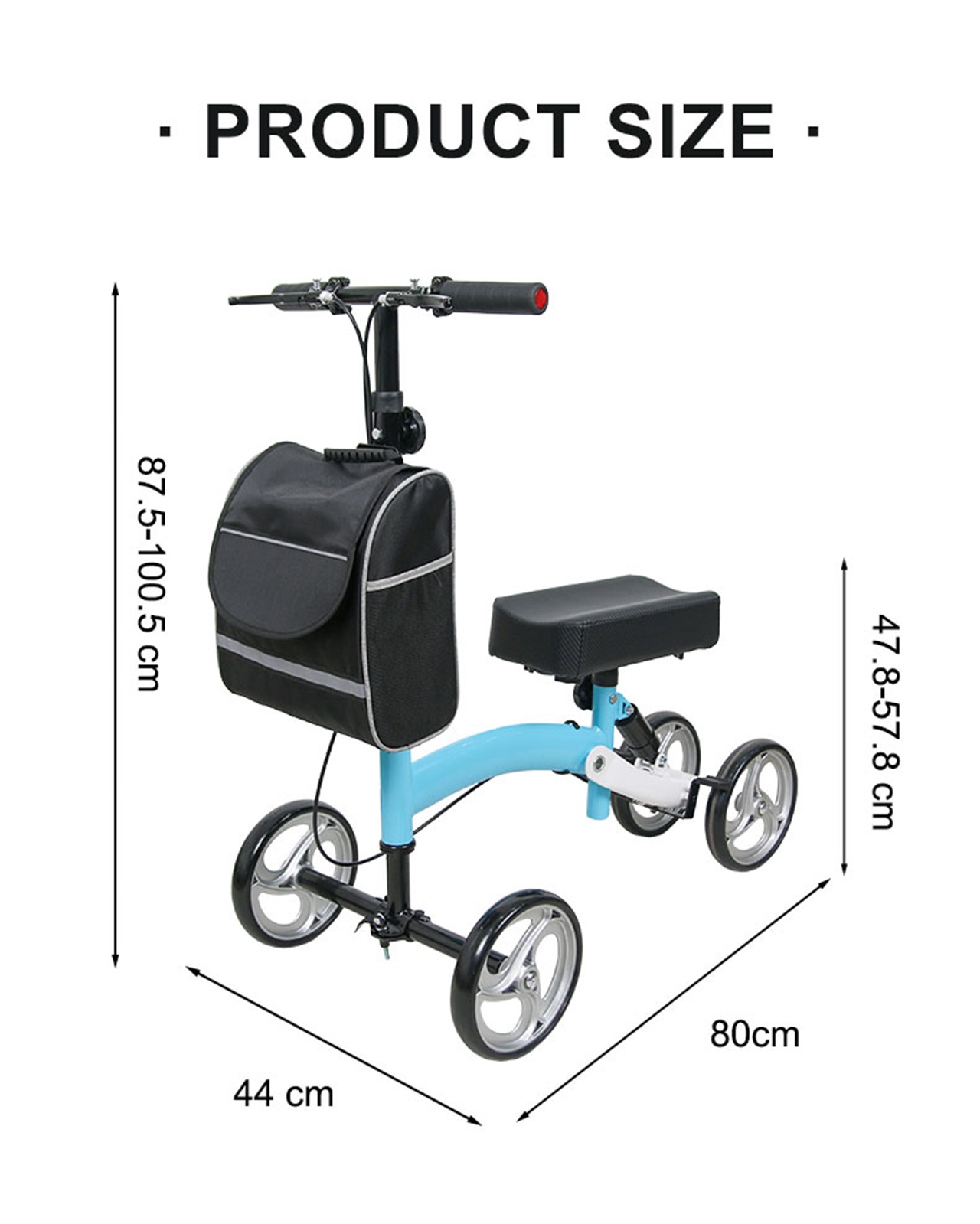
Our knee walkers fit users of different heights. The handlebar adjusts from 87.5 to 100.5 cm, and the knee pad adjusts from 47.8 to 57.8 cm. Whether you need knee walkers for six weeks or longer, our heavy-duty iron frame provides lasting durability.
Walker vs Knee Walker
You might wonder how a walker differs from a knee walker. A standard walker requires weight-bearing on both legs or lifting the device with each step. A walker with a seat offers rest but demands arm strength. In contrast, a knee walker supports your injured leg on a padded platform, allowing your healthy leg to propel you smoothly. This makes the knee walker more efficient for non-weight-bearing recovery.
Some patients benefit from having both a walker and a knee walker at different stages. A walker may be used immediately after surgery, while the knee walker takes over once stability returns. For most mid-to-late recovery, the knee walker offers superior convenience.
Why Your Knee Deserves Better Support
The word knee is central to rehabilitation, but many overlook how a knee injury or lower-leg surgery affects mobility. When your knee remains bent and unsupported on crutches, you risk knee stiffness or strain on the healthy knee. A proper knee walker positions the injured leg at a natural knee angle, reducing stress on the knee joint.
Our knee walker includes a soft, contoured knee pad that distributes pressure evenly across the shin and knee area. By caring for your knee, our knee walker helps you avoid complications. Protecting your knee is as important as protecting your foot—a quality knee walker makes that protection automatic.
Key Features of Our Knee Walker
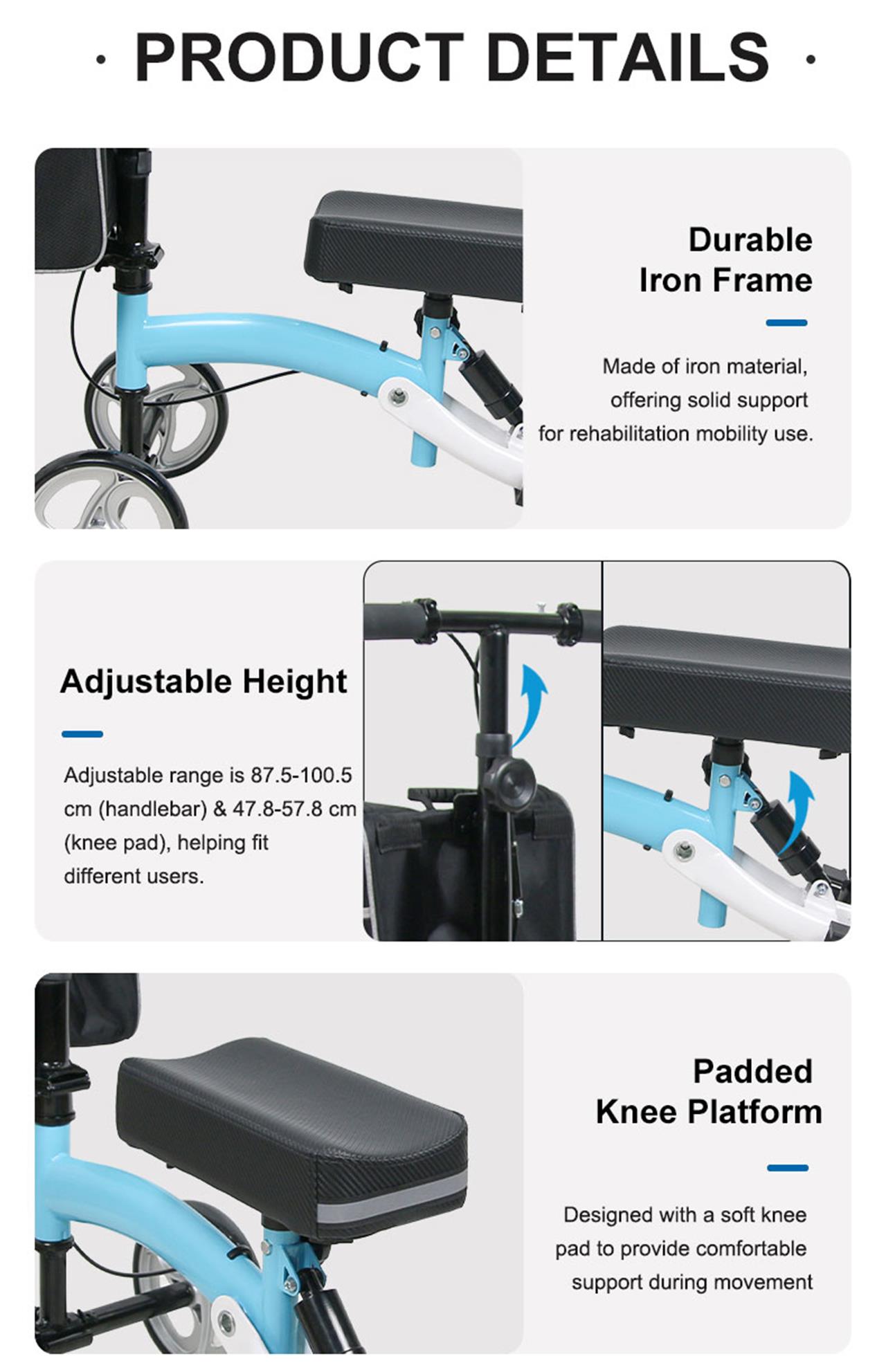
--Durable Iron Frame
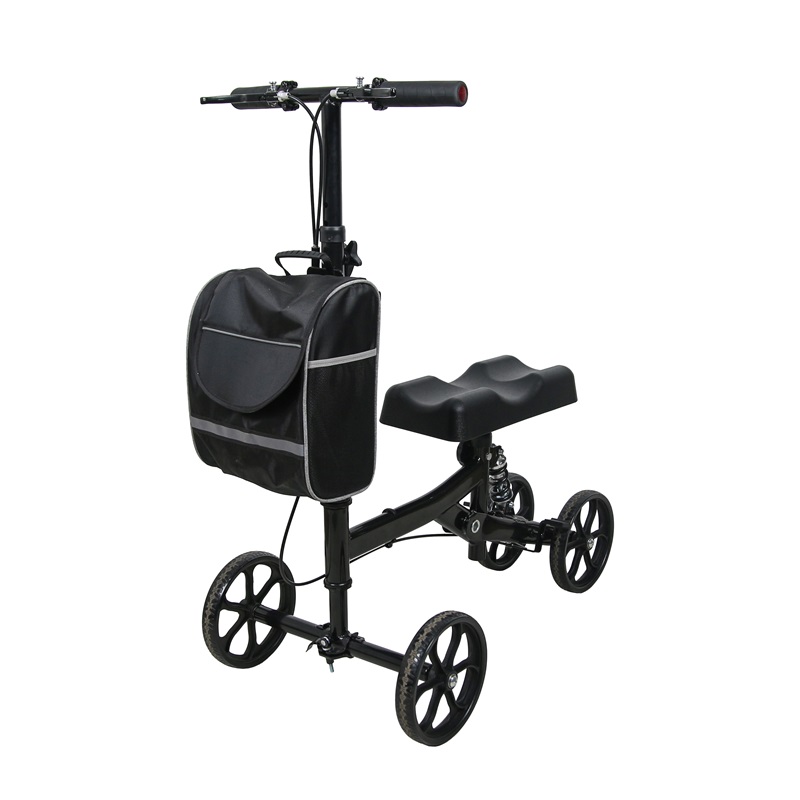
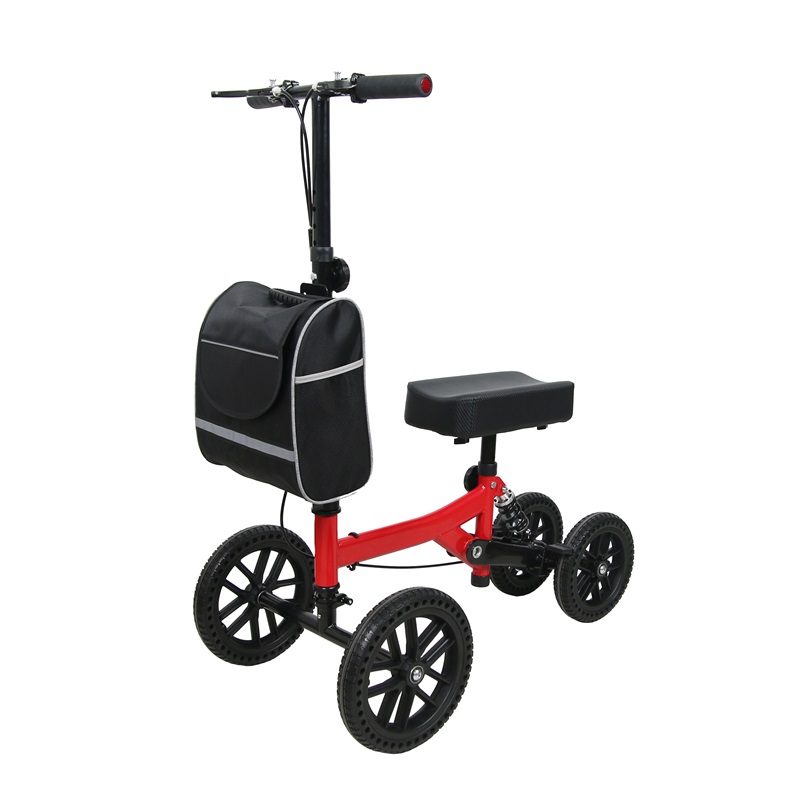
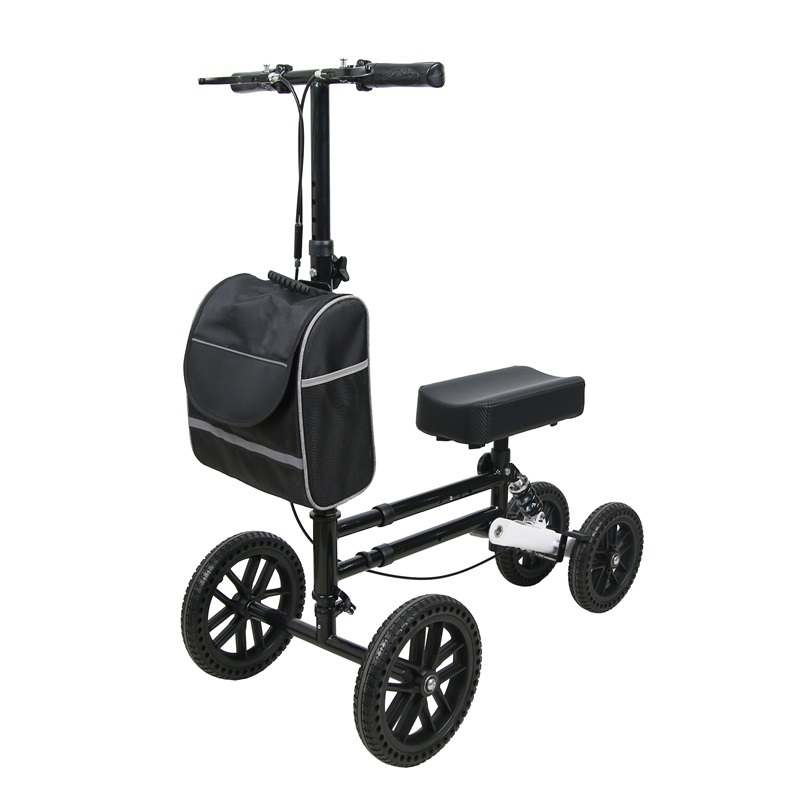
Made of iron material, this knee walker offers solid support. Unlike plastic alternatives, this knee walker withstands daily use without wobbling.
--Adjustable Height
Our knee walker adjusts between 87.5-100.5 cm (handlebar) and 47.8-57.8 cm (knee pad). Adjusting your knee walker takes seconds.
--Padded Knee Platform
Designed with a soft knee pad, this knee walker provides comfortable support. The pad conforms to your knee shape for all-day comfort.
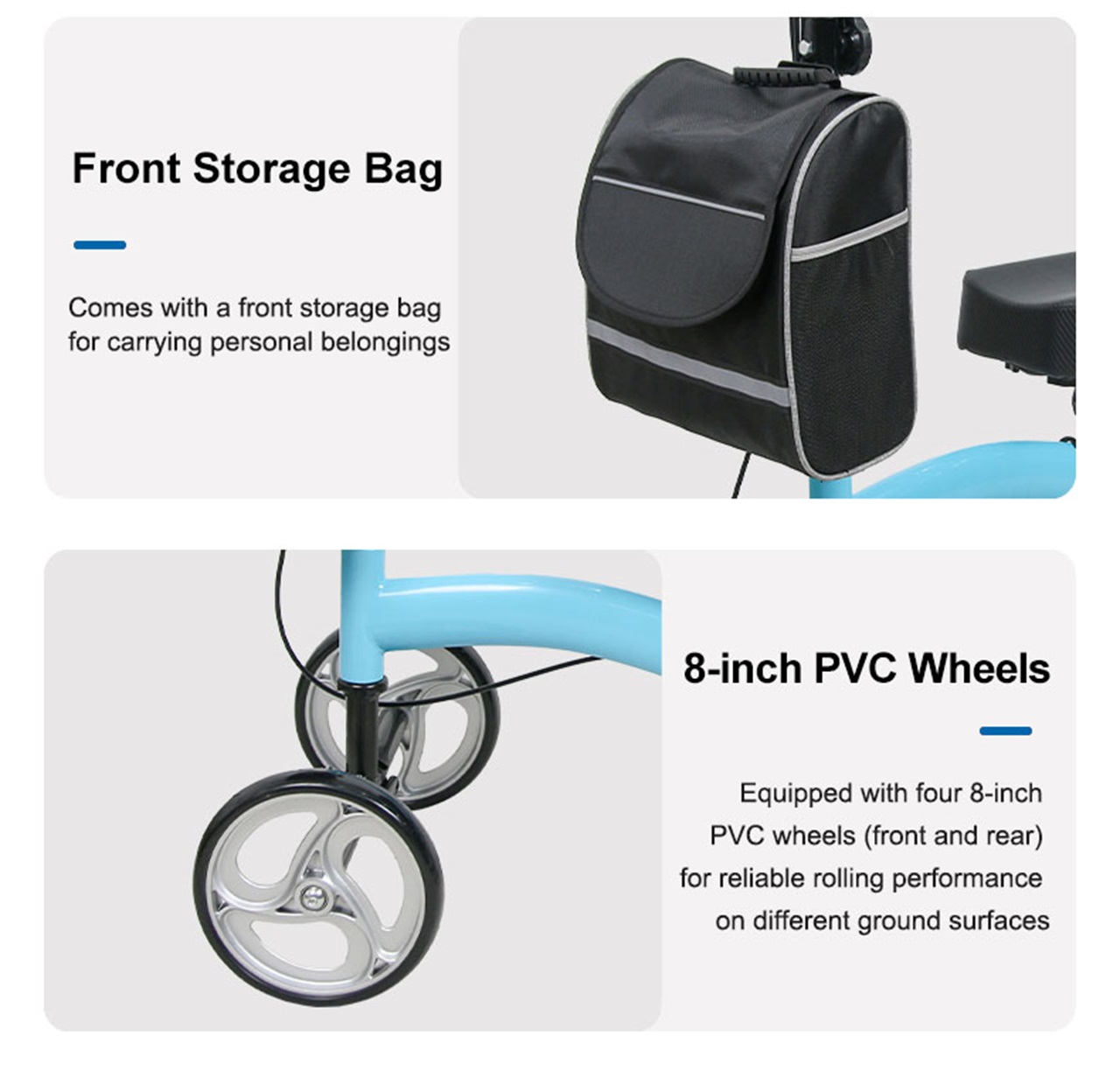
--Front Storage Bag
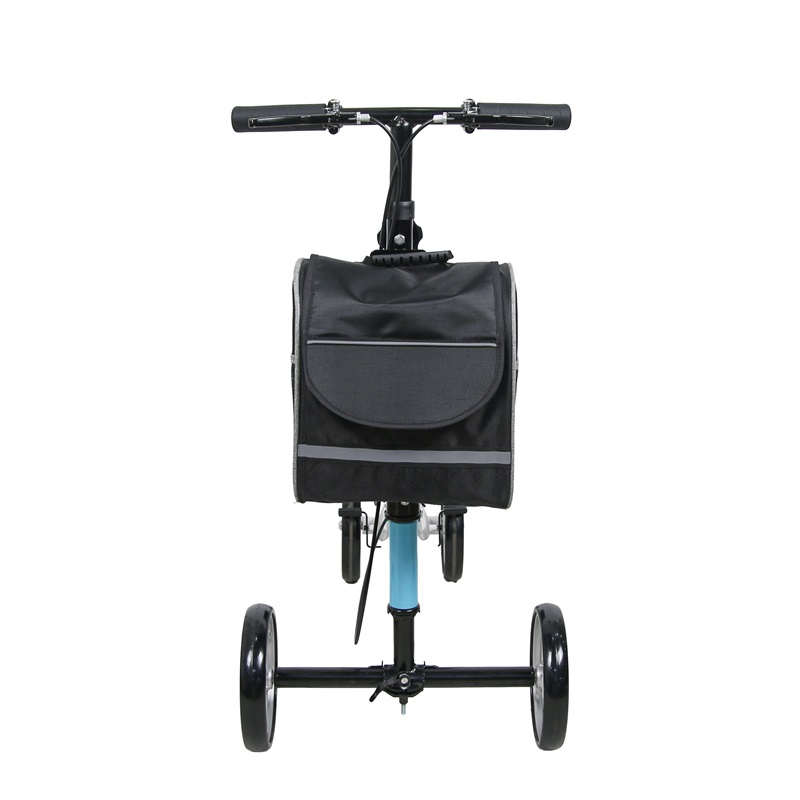
This knee walker comes with a storage bag for carrying personal belongings. Your phone, wallet, and keys stay with the knee walker at all times.
--8-inch PVC Wheels
Equipped with four 8-inch PVC wheels, this knee walker performs reliably on carpets, tile, asphalt, and gravel.
Who Should Use Knee Walkers?
Knee walkers are ideal for anyone with non-weight-bearing injuries below the knee: ankle fractures, foot fractures, Achilles tendon repair, bunion surgery, below-knee amputations, and diabetic foot ulcers. Physical therapists now recommend knee walkers as a first-line mobility aid.
Safety Tips for Your Knee Walker
Always engage the brakes when stationary. Avoid steep slopes. Keep your knee centered on the pad. Do not exceed the weight capacity (136 kg / 300 lbs). Fold and store your knee walker in a dry place.
Real User Feedback
“After ankle surgery, my knee walker gave me independence. I could cook, answer the door, and walk my dog.” — Linda R.
“I tried a standard walker first, but it hurt my shoulders. Switching to a knee walker was a game-changer.” — David T.
40px