


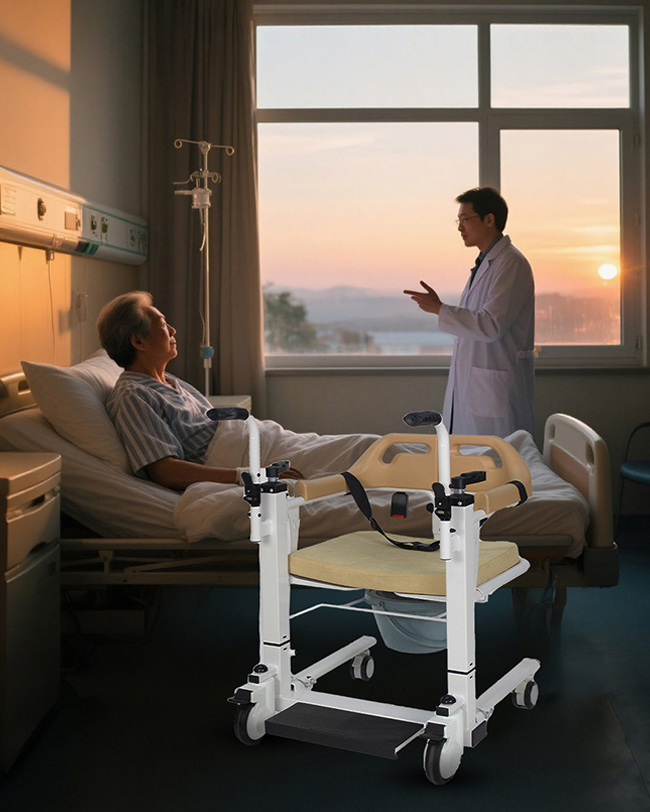
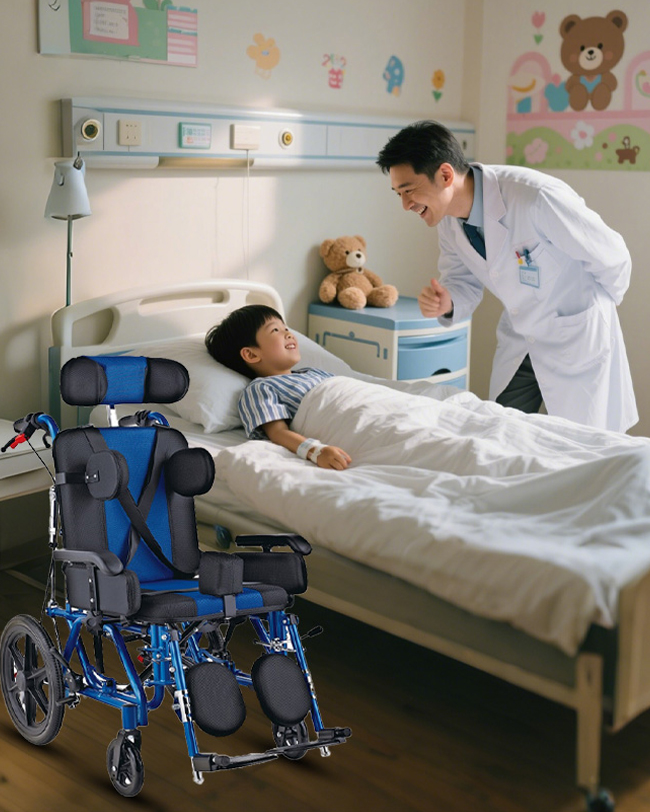

For decades, the electric wheelchair has been a double-edged sword for millions of people with mobility challenges. On one hand, it offers the freedom to move independently; on the other, it imposes a physical burden that often undermines that very freedom. Traditional power wheelchairs—built from steel or aluminum—regularly tip the scales at 20 to 30 kilograms (44 to 66 pounds), creating what users and caregivers alike describe as a "daily struggle". Lifting one into a car trunk, carrying it up a single step, or simply maneuvering through a narrow doorway becomes an exhausting workout.
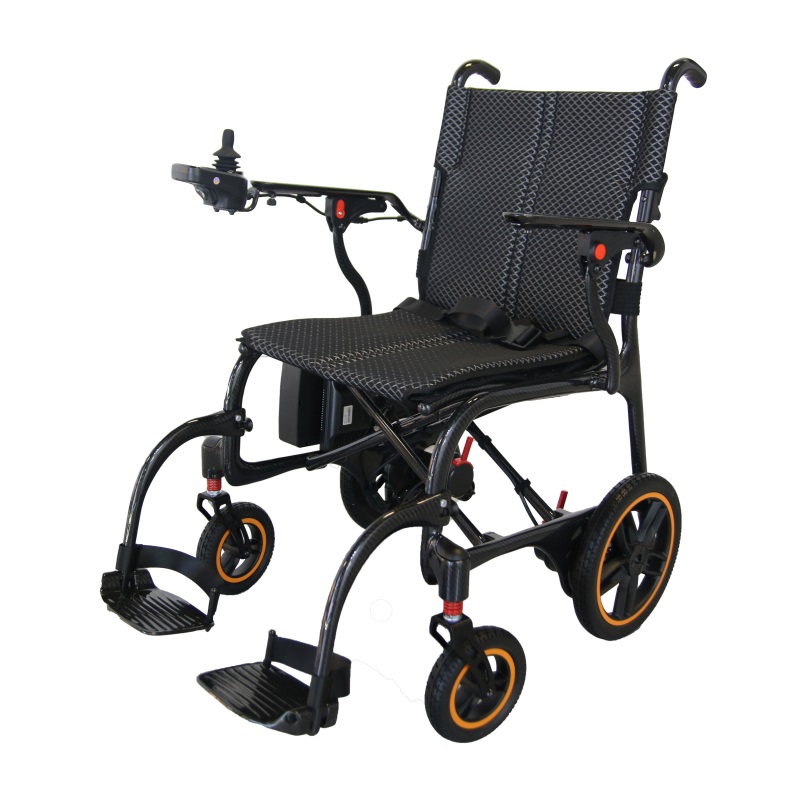
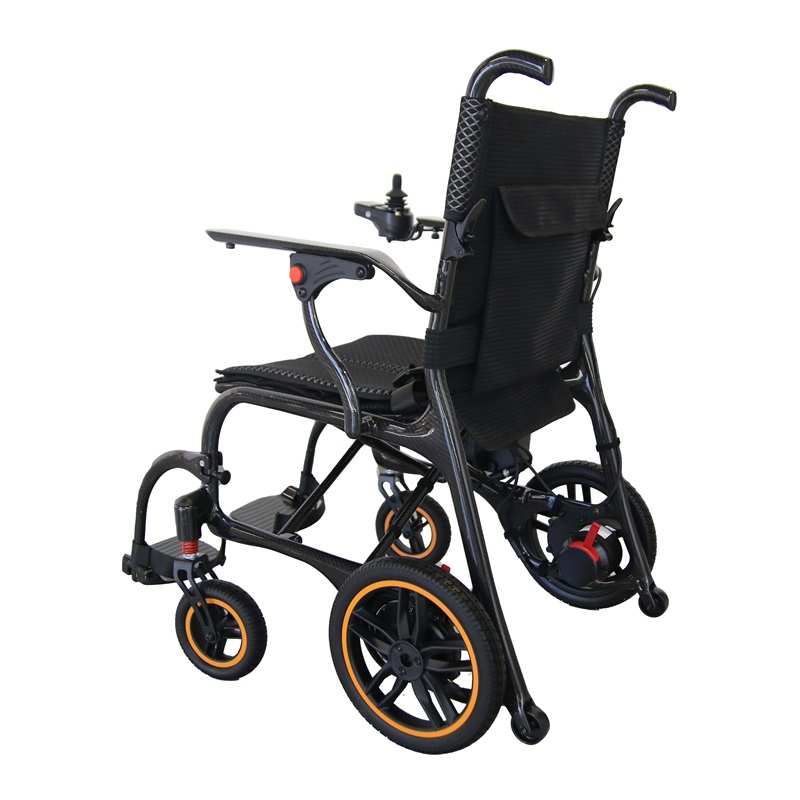
That paradigm is finally shifting. The emergence of carbon fiber electric wheelchairs—and the broader category of lightweight carbon fiber wheelchair solutions—represents a technological leap that is fundamentally redefining what mobility can mean. By leveraging aerospace-grade materials and advanced manufacturing techniques, a new generation of carbon fiber wheel chairs is breaking the weight barrier, delivering strength that surpasses steel at a fraction of the mass.
This article explores the engineering revolution, the market dynamics, and the real-world impact of carbon fiber electric wheelchairs—and why the future of mobility is undeniably lighter.
The Weight Problem: A Barrier to Independence
To understand why the shift to carbon fiber matters, one must first confront the weight problem head-on. Traditional electric wheelchairs, while functional, come with a heavy toll. A standard power wheelchair can weigh between 50 and 80 kilograms, making them nearly impossible for an elderly user to lift alone. Caregivers—often family members—face high risks of back injury from repeated lifting and loading.
The “pain point” has always been the trade-off: a chair sturdy enough for outdoor use is too heavy to lift, while a lightweight chair feels flimsy or lacks battery range. This compromise has historically limited users' independence. Travel, social outings, and even simple errands become logistical nightmares when a 30-kilogram chair is involved.
The Statistics of Struggle
The human cost of heavy wheelchairs is not just anecdotal. Chronic shoulder and joint injuries are prevalent among manual and electric wheelchair users, exacerbated by the sheer effort required to propel or transport heavy equipment. According to mobility experts, upgrading to a lighter frame is one of the most impactful long-term investments a user can make—not just for convenience, but for joint preservation and overall health.
This is the problem that carbon fiber electric wheelchair technology solves. By fundamentally changing the material of the frame, manufacturers are eliminating the weight penalty without sacrificing safety or durability.
Carbon Fiber: The Material That Changed Everything
Carbon fiber has long been the material of choice in Formula 1 racing, aerospace engineering, and high-end sporting goods. Its unique quality is being one of the strongest, yet lightest materials on earth. But bringing this technology to mobility aids required specialized engineering to adapt it to the demands of daily life.
Strength That Defies Weight
A high-quality carbon fiber wheelchair frame is engineered to be as strong as—and often stronger than—steel, yet it weighs a fraction of its metal counterpart. Specifically, carbon fiber is reported to be up to five times stronger than steel, while weighing only a quarter as much. For example, recent breakthroughs have produced electric wheelchairs with a net weight as low as 10.5 kilograms, drastically changing the perception of the “bulky” wheelchair.
Unlike aluminum, which can bend, dent, or fatigue over time, carbon fiber offers superior fatigue resistance. It withstands greater impacts and maintains its structural integrity even after years of heavy use. Furthermore, it is completely immune to rust and corrosion—a common issue for metal chairs exposed to rain or humidity.
Vibration Damping and Ride Quality
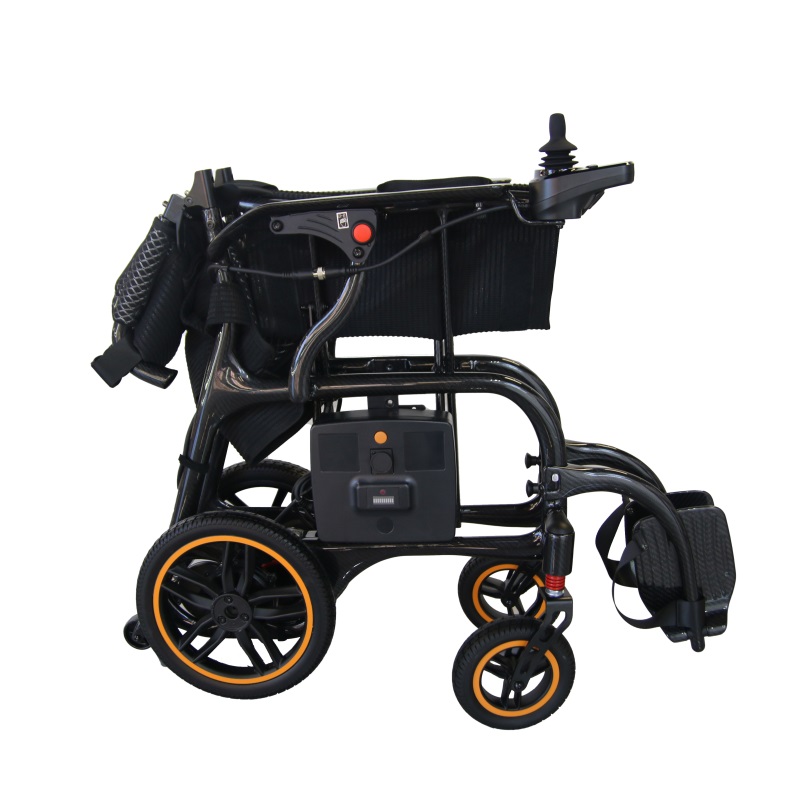
Beyond weight, carbon fiber offers a subtle but critical benefit: vibration absorption. Rigid metal frames transfer every bump and crack in the pavement directly to the user’s spine. Carbon fiber, conversely, dampens these micro-vibrations naturally, providing a smoother ride and reducing long-term physical strain on the user. This makes lightweight carbon fiber wheelchair designs not just easier to transport, but more comfortable to use over long periods.
Manufacturing Innovation: How It's Made
The transition from traditional metal frames to carbon fiber has spurred significant innovations in manufacturing. One of the most exciting developments is the use of hollow frame structures to maximize strength-to-weight ratios.
Additive Carbon Fiber Molding
Industry leaders, such as Sunrise Medical, have pioneered new processes for creating wheelchair frames using additive manufacturing and sacrificial mandrels. This process involves 3D-printing a frame structure in a dissolvable material, wrapping it in layers of carbon fiber, curing the composite, and then dissolving the inner core.
The result is a lightweight hollow frame that retains the strength of a solid composite. This process allows for the creation of complex geometries that are nearly impossible to achieve with traditional metal fabrication, enabling fully customizable ‘made to measure’ carbon fiber wheel chairs that fit the user with millimeter precision.
The “Made to Measure” Advantage
Historically, wheelchairs were manufactured in standard sizes, often leading to poor posture and discomfort for the user. The flexibility of carbon fiber molding allows manufacturers to create bespoke frames tailored to the individual’s dimensions and seating needs. This is particularly crucial for active users who rely on optimal ergonomics to prevent long-term joint issues.
Market Growth and Industry Adoption
The market for carbon fiber electric wheelchairs and manual variants is expanding rapidly. Industry data indicates that the global market is expected to grow at a compound annual growth rate (CAGR) of over 7%, potentially reaching a valuation of USD 400 million by 2033.
Key Drivers
1. Aging Population: As the global population ages, the incidence of mobility impairments increases, driving demand for advanced mobility solutions.
2. Sports and Active Lifestyles: The rise of recreational and competitive sports for individuals with disabilities has spurred demand for high-performance, lightweight models.
3. Awareness: Users are increasingly aware that a lighter chair reduces energy expenditure and protects their joints long-term.
Competitive Landscape
The sector is dominated by established players like Sunrise Medical, Permobil, Invacare, and Motion Composites, with emerging manufacturers in the Asia-Pacific region rapidly gaining market share. North America currently holds the largest market share, though the Asia-Pacific region is identified as a high-growth market due to increasing adoption rates and manufacturing capabilities.
Real-World Impact: The User Experience
To understand the true value of a carbon fiber electric wheelchair, one must look beyond the spec sheet. A user of an ultra-lightweight carbon fiber frame described the experience as transformative, noting a significant improvement in ride smoothness and posture. Another key observation is that when you reduce the frame weight, you reduce the strain on the electric motors and battery. A lighter frame translates directly to extended driving range per charge, allowing users to go further without worrying about power.
Portability and Travel
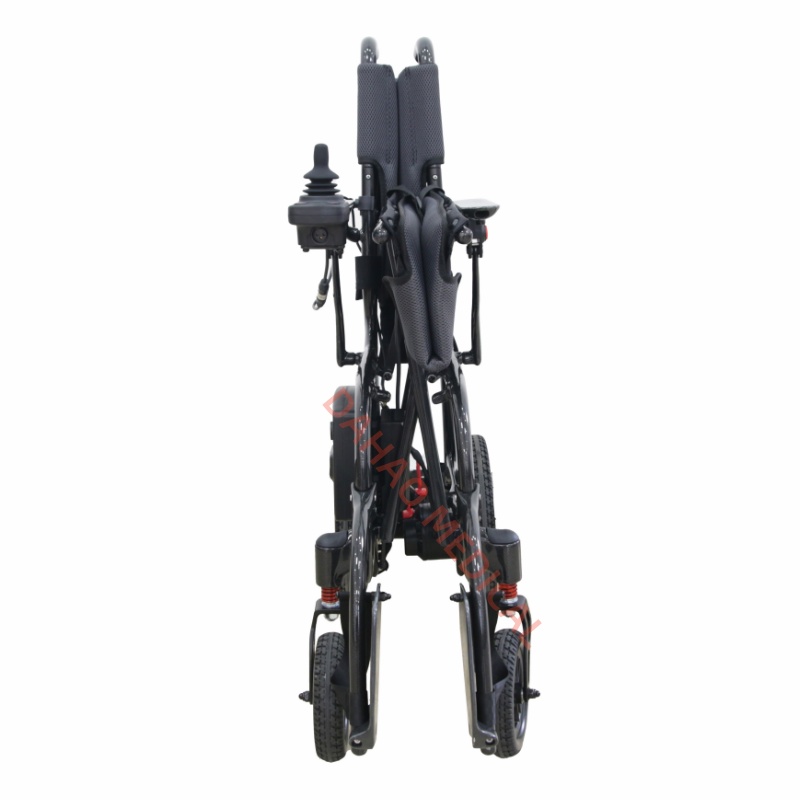
One of the most celebrated features of modern lightweight carbon fiber wheelchair designs is their portability. Models are now available with “one-second fold” technology, allowing the chair to collapse to a size that fits easily into a standard car trunk. This ease of transport eliminates the need for expensive, specialized vehicles and empowers users to maintain a “car-dependent” lifestyle without the constant assistance of a caregiver for loading and unloading.
The Future of Mobility
The journey from the heavy, clunky steel wheelchairs of the past to today’s sub-11-kilogram marvels is a testament to the power of material science. We are moving toward a future where carbon fiber wheel chairs become the standard—not just for athletes, but for everyday users seeking dignity, independence, and ease.
Ongoing research and development, including the integration of intelligent controls and even lighter battery technologies, promise to make these devices even more accessible. The “weight barrier” that has defined the mobility industry for generations is finally being broken.
For the millions of users and caregivers who have struggled with heavy chairs, the arrival of the carbon fiber electric wheelchair is not just a technological upgrade—it is the return of freedom.