



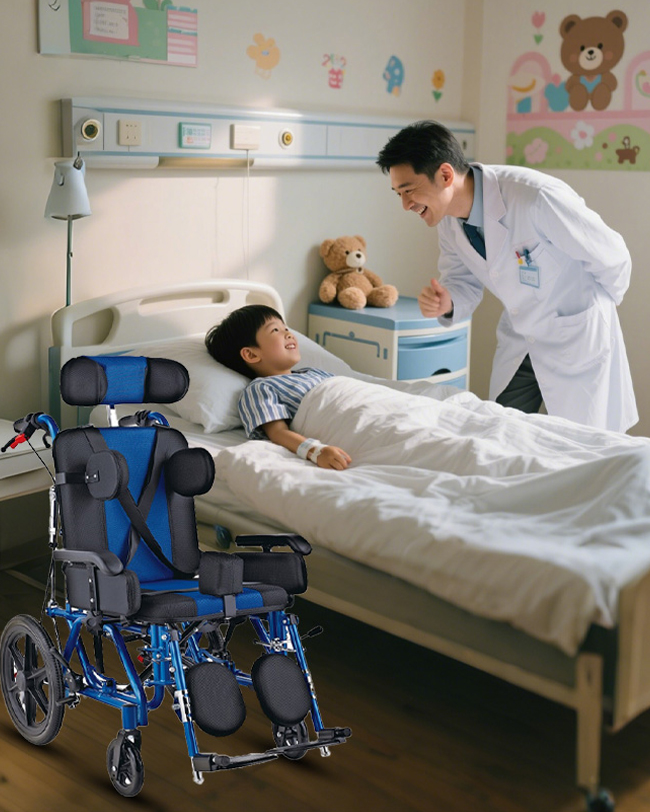

A Decision That Changes Everything
For millions of older adults and individuals recovering from injury or managing chronic conditions, the decision to use a mobility aid is rarely easy. Many worry it means surrendering independence—but the opposite is often true. A well-chosen device reduces fall risk, conserves energy, and lets you move without relying on others.
The second hurdle? Knowledge. Most people are only familiar with the standard four-legged metal walker. But today, the market offers a spectrum of options, and for many users, the most appealing alternative is the rollator—a wheeled walker that brings new ease and functionality to daily life.
But what exactly is the difference between a walker and a rollator? And which one is right for you?
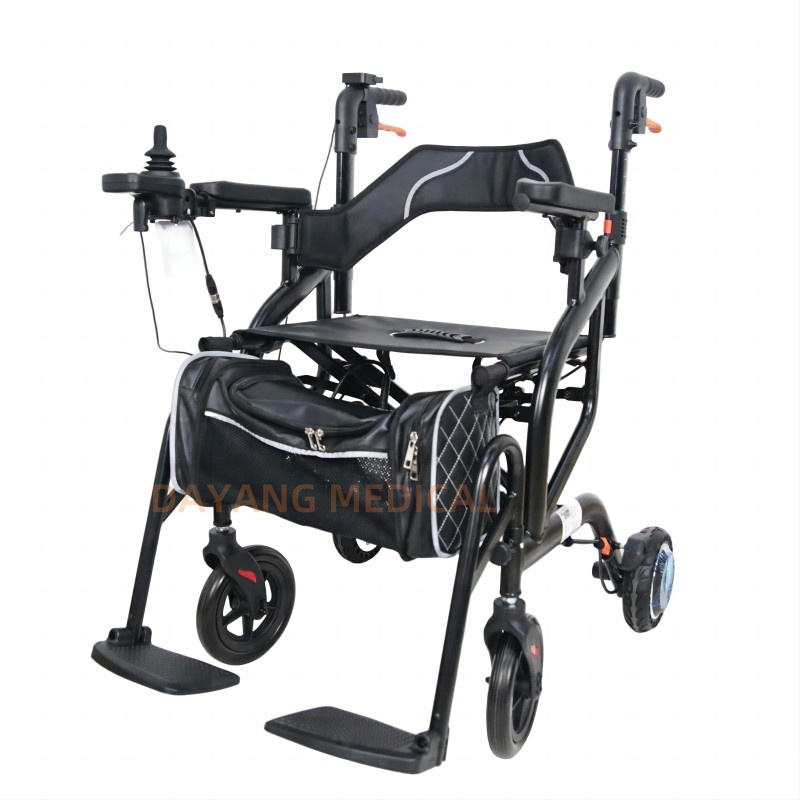
Defining the Devices: Walker vs. Rollator
At its most fundamental level, the distinction comes down to wheels and structure—but the implications ripple into every aspect of how the device is used.
What Is a Walker?
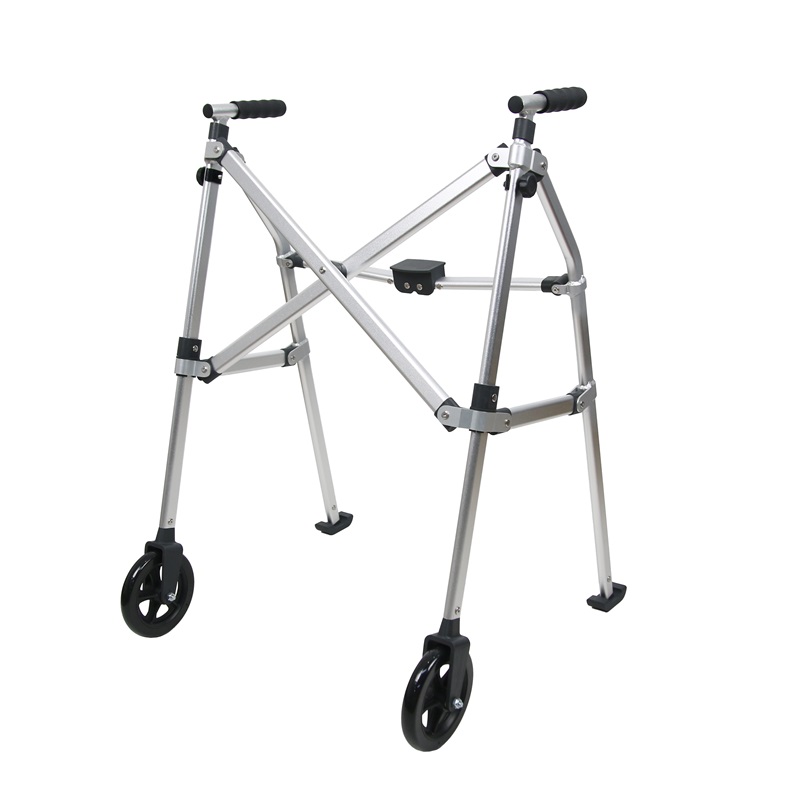
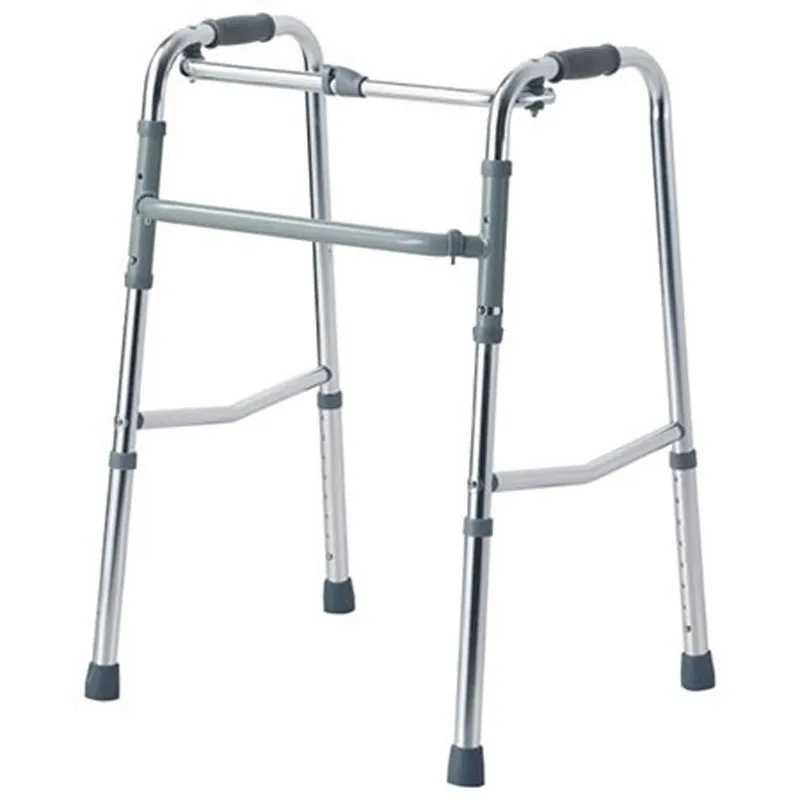
A walker is a handled frame with legs that provides stable support. Traditional models have four legs with rubber tips—no wheels. To move, the user lifts the walker, places it ahead, and steps forward. This "lift-and-step" rhythm requires upper body strength and can be tiring.
Two-wheeled walkers add front wheels, allowing sliding instead of lifting, while retaining high stability.
Key characteristics:
Typically no wheels (or two front wheels)
Lightweight—5 to 6 pounds
Highest weight-bearing support (up to 50% of body weight)
Requires lifting or sliding with each step
Generally no seat or storage
Affordable: $30–$150
What Is a Rollator?
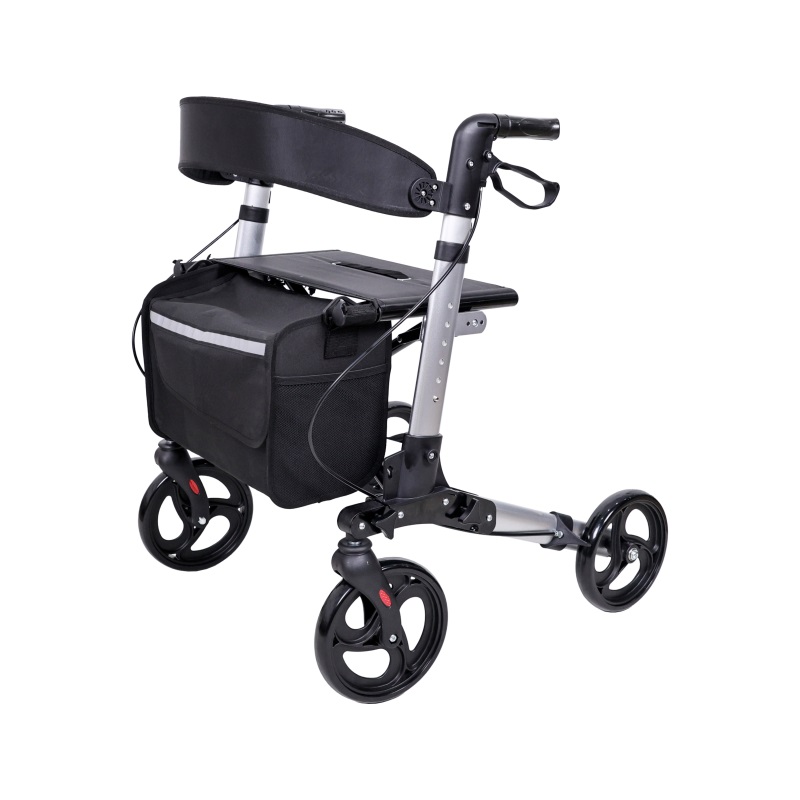
A rollator features three or four wheels, handlebars with hand-operated brakes, and—in most four-wheel models—a built-in seat and storage basket. It glides forward smoothly, allowing a more natural gait and faster pace.
The design is not about leaning heavily, but about providing balance support and endurance assistance for people who can walk but need help staying steady and a place to rest when fatigue sets in.
Key characteristics:
Four wheels (or three in compact models)
Hand brakes for slowing or locking
Built-in seat (on most four-wheel models)
Basket or pouch for carrying items
Heavier: 15–25 pounds
Price range: $60–$250+
The Core Difference: Support vs. Mobility
Walkers: Maximum Stability, Controlled Movement
Walkers are designed for maximum stability. They don't roll away, making them safest for individuals who:
Need to bear significant weight through the device (e.g., post-surgery)
Have significant balance problems
Walk primarily short distances
The trade-off is effort and pace—lifting the frame with each step can be exhausting.
Rollators: Smoother Movement, Built-in Rest
Rollators are designed for mobility and endurance. They provide balance support while the user walks with a natural, upright posture.
Ideal for individuals who:
Can walk but need help with balance and stability
Tire easily and need a place to rest
Want to maintain an active lifestyle and walk longer distances
Have sufficient hand strength to operate brakes
The seat is a game-changer—it allows users to stop and rest whenever needed. The basket means they can carry items without compromising balance.
Types of Walkers and Rollators
Walker Varieties
Standard (No-Wheel) Walker: Maximum stability, must be lifted.
Two-Wheel Walker: Slides forward, easier movement while retaining stability.
Rollator Varieties
Four-Wheel Rollator: Most common, includes seat and basket, smooth gliding.
Three-Wheel Rollator: Narrower and lighter, easier in tight spaces, but no seat and less stable.
Heavy-Duty (Bariatric) Rollators: Higher weight capacities, wider seats.
All-Terrain Rollators: Larger wheels and suspension for gravel, grass, or sand.
Safety Considerations
A rollator may NOT be safe if the user:
Has significant balance problems
Tends to lean heavily on the device
Lacks hand strength or coordination for brakes
Is at risk of the rollator rolling away when sitting or standing
A walker is generally the safer choice in these situations.
Choosing the Right Device: A Decision Framework
Ask yourself these questions:
How much support do I need? If you cannot bear weight, choose a walker. If you need balance assistance, a rollator may suit.
Where will I use it? Narrow spaces favor three-wheel rollators or compact walkers; outdoors favor four-wheel rollators with larger wheels.
Do I tire easily? A four-wheel rollator's seat is invaluable.
Do I have the strength to control it? Rollators require hand strength for braking; walkers require upper body strength to lift.
Will I carry items? Rollators come with baskets; walkers require add-on accessories.
Proper Fit: Essential for Safety
For both walkers and rollators:
Handgrips should align with the crease on your wrist.
Elbows should be slightly bent (15–20 degrees).
Always verify weight capacity.
For rollator seats:
Feet should be flat on the floor when sitting.
Always engage brakes before sitting.
Accessories and Customization
Common add-ons include:
Baskets, pouches, and bags
Cup holders
Trays (common for walkers)
Oxygen tank holders
Lights for visibility
Cost and Insurance
Standard walkers: $30–$100
Two-wheel walkers: $50–$150
Rollators: $60–$250+ (premium/all-terrain cost more)
Medicare Part B covers 80% with a prescription and purchase from an approved supplier.
The Emotional Journey
The hardest part is often emotional—accepting the need for help can feel like decline. But the right device actually expands your world. It allows you to walk farther, carry your own things, and rest when you want. It is a tool for freedom, not a symbol of limitation.
Conclusion
Choose a walker if: You need maximum stability, significant weight-bearing support, or are recovering from surgery. You walk short distances and have upper body strength to lift the frame.
Choose a rollator if: You can walk but need balance and endurance support. You want to walk longer distances, outdoors or indoors, and would benefit from a seat and basket. You have hand strength for brakes.