




A Guide to Pediatric Mobility
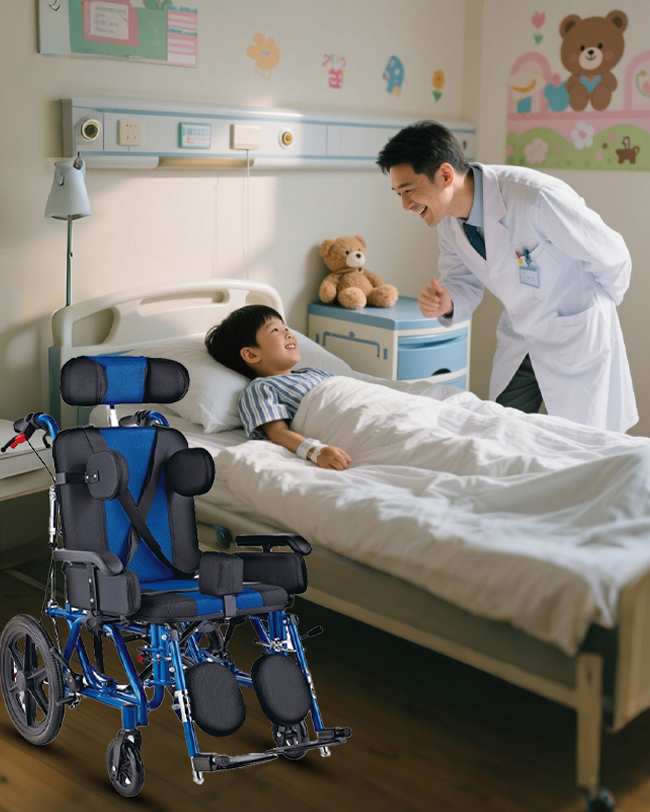
For parents of children with cerebral palsy, understanding when a wheelchair becomes necessary is a critical milestone. The decision depends on motor function, age, and daily needs—not the diagnosis alone. This guide explores the factors that signal the need for a cerebral palsy wheelchair, the types available, and how the right children wheelchair can transform quality of life.
Understanding Mobility Levels
The Gross Motor Function Classification System (GMFCS) helps families assess mobility needs. Children at GMFCS levels I–II usually walk independently and may only use a wheelchair for long distances. However, children at GMFCS levels III–V typically require a cerebral palsy wheelchair or other assistive devices for safe, efficient mobility. Those at level V generally need a caregiver-propelled manual wheelchair, while levels III–IV may benefit from walkers, canes, or powered wheelchairs.
Early intervention is key. Introducing a children wheelchair at the right time supports neuroplasticity, improves motor outcomes, and prevents compensatory movement patterns that can hinder development.
Signs Your Child May Need a Cerebral Palsy Wheelchair
Knowing when to consider a cerebral palsy wheelchair involves observing functional challenges, including:
Difficulty sitting upright without external support
Muscle stiffness or involuntary movements that make walking unsafe
Frequent fatigue limiting school, therapy, or social participation
High risk of falls during independent movement
Inability to self-propel a manual wheelchair, indicating powered options may be needed
Every child presents differently, which is why a children wheelchair must offer flexible support. A poorly fitted wheelchair can lead to posture deterioration, pressure sores, and reduced social engagement. Over time, incorrect seating may affect spinal alignment and joint health.
Types of Cerebral Palsy Wheelchairs
Manual Wheelchairs for Children
Manual wheelchairs remain a common choice for children who need assisted mobility or have sufficient upper body strength to self-propel. For non-ambulatory children, a caregiver-propelled manual cerebral palsy wheelchair with push handles is essential.
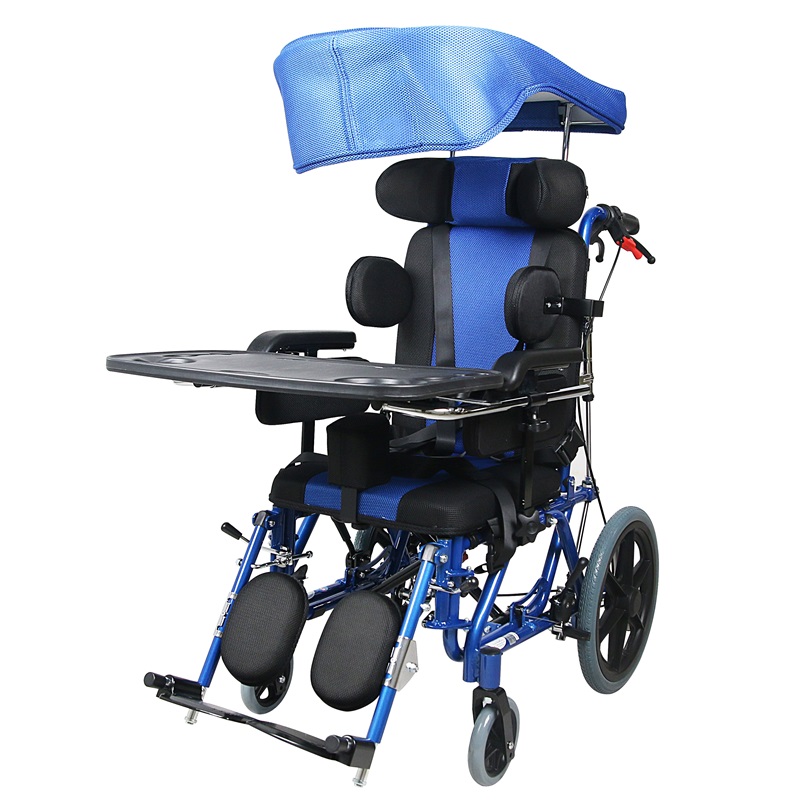
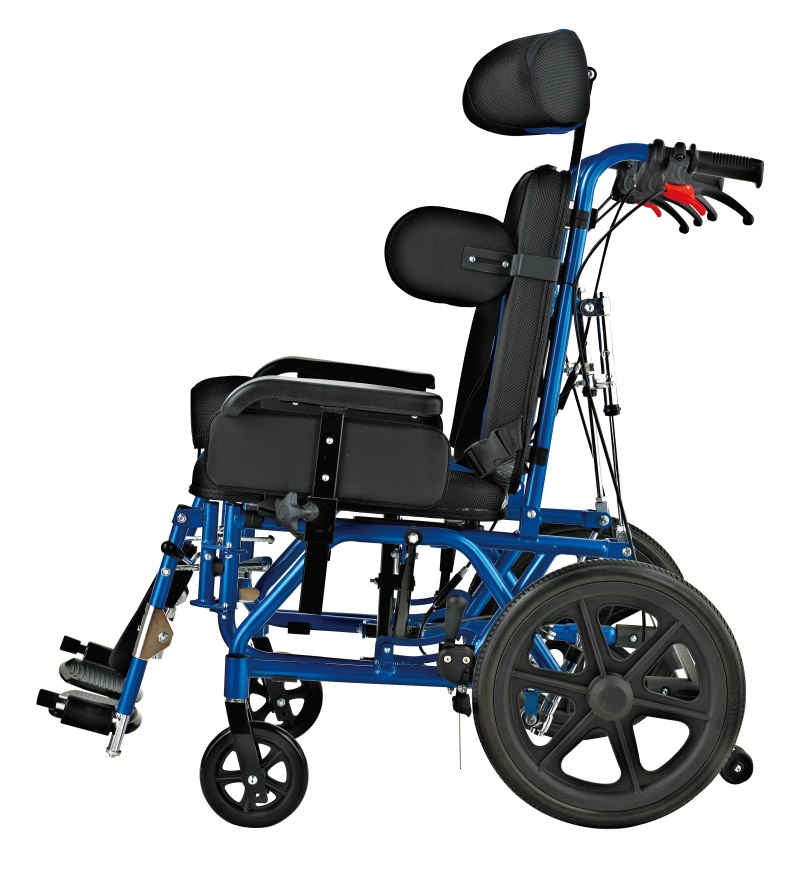
Modern manual children wheelchair designs use lightweight aluminum frames for easier transport. For example, the DY01958L(7)BCJ-38 Self-Propelled/Attendant Wheelchair features a foldable aluminum frame, reclining backrest, adjustable headrest, elevating footrests, and a pommel-support cushion for pelvic stability.
Powered Wheelchairs for Cerebral Palsy
For children lacking upper body strength or coordination, powered cerebral palsy wheelchairs provide independence that manual options cannot. Electric pediatric wheelchairs are increasingly designed with user-centered features:
Intuitive joystick controls
Safe acceleration and braking
Stable navigation across surfaces
Foldable structures for storage
Ergonomic seating with postural support
Beyond mobility, powered wheelchairs offer psychological benefits—children gain confidence in social participation, school interaction, and recreational activities when they can navigate independently.
Reclining and Tilt-in-Space Wheelchairs
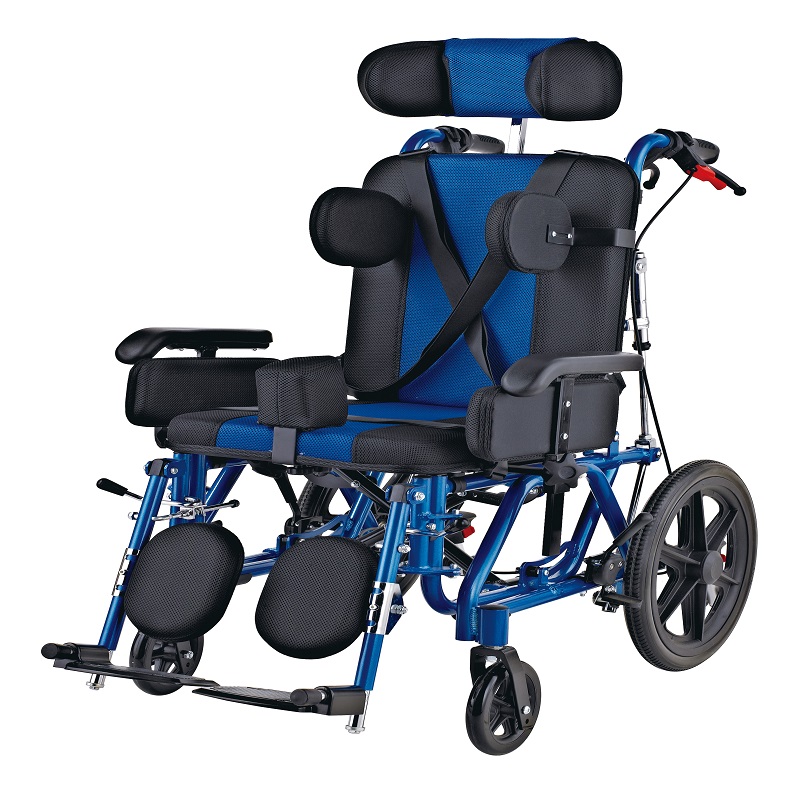
Many cerebral palsy wheelchairs include reclining backrests or tilt-in-space mechanisms. The DY01961LB Pediatric Cerebral Palsy Wheelchair has a hydraulic reclining backrest adjustable to 145 degrees,. Tilt-in-space wheelchairs maintain the hip angle while tilting the entire seating system, redistributing pressure and reducing fatigue during extended use.
Essential Features of a Quality Children Wheelchair
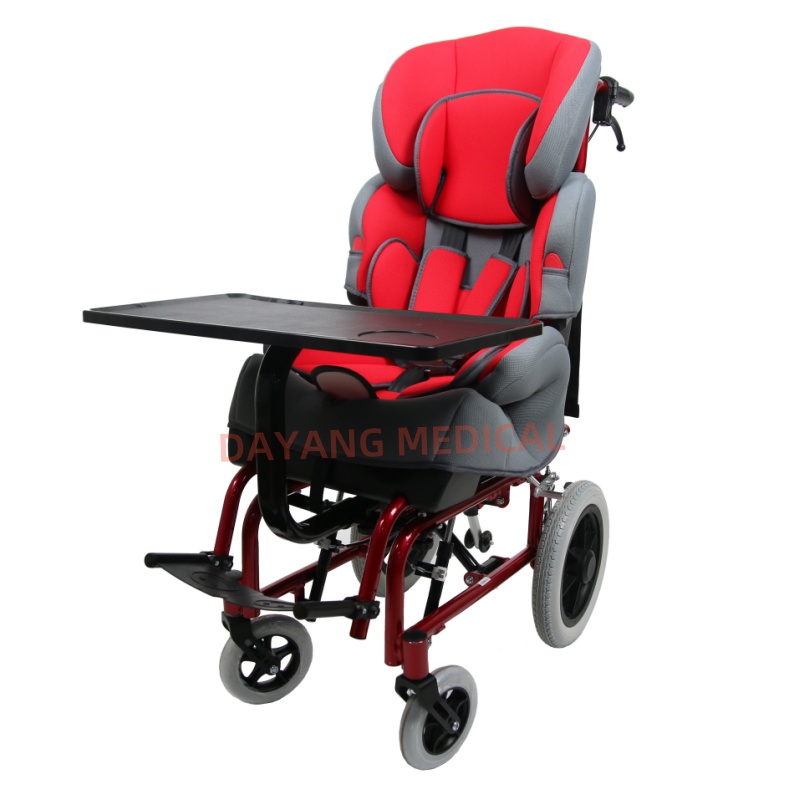
Selecting a children wheelchair requires attention to features that support comfort and long-term health.
Postural Support: A proper cerebral palsy wheelchair includes adjustable headrests, lateral trunk supports, thigh separators, and multi-point safety harnesses. The DY01958LBCJ Children Wheelchair features a five-point harness securing the child at shoulders, waist, and between the legs—fully adjustable for different sizes and postural needs.
Seat Cushions: Children spending hours in their wheelchair need pressure-relieving cushions. Research shows CP users benefit from form cushions with adductors, abductors, and pommel supports for pelvic stability and skin protection.
Adjustability: Children grow rapidly. A children wheelchair with adjustable backrests, extendable footrests, and multiple seat widths grows with the child, reducing replacement frequency. The Forza Freedom 6000 CP Wheelchair offers seat widths from 35 to 57cm and modular add-ons.
Lightweight Foldable Design: Families managing daily care need wheelchairs that are easy to transport. Aerospace-grade aluminum frames and foldable structures simplify loading, storage, and travel between home, school, and therapy centers.
Therapeutic and Daily Benefits
A cerebral palsy wheelchair is more than a mobility device—it is a therapeutic tool. Proper seating improves head and trunk control, respiratory function, and reduces muscle fatigue. Adjustable armrests, legrests, and reclining systems allow long-term customization.
Detachable trays on cerebral palsy wheelchairs support therapy exercises, classroom learning, feeding, and communication device placement. Stable posture helps children perform better in speech, occupational, and educational activities by conserving energy otherwise spent on maintaining alignment.
For families, caregiver-friendly features—foldable frames, lightweight materials, quick-adjust components, and easy-clean surfaces—reduce daily physical strain. Wheelchairs that fit easily into vehicle trunks encourage more outings, community participation, and family travel.
Conclusion
There is no single answer to when a child with cerebral palsy needs a wheelchair—it depends on individual function, development, and daily activities. However, a well-chosen cerebral palsy wheelchair or children wheelchair provides far more than mobility. It enables classroom learning, outdoor play, therapy progress, and social connection.
Modern cerebral palsy wheelchairs are more adaptive, lightweight, and user-centered than ever—whether manual or powered, reclining or tilt-in-space. The right wheelchair reduces physical strain and creates opportunities for independence and engagement.
By recognizing the signs and understanding the options, families and healthcare providers can ensure every child gets the right children wheelchair at the right time—empowering them to move, explore, and thrive regardless of their mobility challenges.